

Four Foundations of Success : ค้นหาหนังสือธรรมะ หน้า 3 / 40
หน้าหนังสือทั้งหมด
241
Understanding Sensory Terms in Buddhism
gammo (adj. reason why people icchā (see jealousy)
settle for the household life: see iddhipada (see Four Foundations
harm of sensual-indulgence) of Success)
gandha (scant: see sense-objects) Indra (P
This text delves into various sensory terms found in Buddhist scriptures, particularly focusing on olfactory and gustatory experiences. It covers concepts such as gandha (smell), jihvā (taste), and th
12
Dhamma for Laypersons: Building a Stable Family
Although the solution is not simple, that does not mean
there is no path to correct and prevent them from occurring. If
each person realizes what the heart of the family is and
everyone takes the best
The text discusses a method for fostering a stable family as taught by the Lord Buddha through 'Dhamma for Laypersons', which includes truthfulness (sacca), self-control (dama), endurance (khanti), an
61
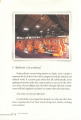
Reflection (Paccavēkkhaṇa)
Reflection (Paccavēkkhaṇa)
Being reflective means being attentive to details. Such a quality is important for all of those who wish to progress in both the physical and spiritual world. If a person g
Reflection is a vital quality for success in physical and spiritual realms. One must be fully engaged in life to thrive. Lord Buddha emphasized the importance of the four basic needs: food, shelter, c

30
การเข้าถึงธรรมกายของสามเณรเชน ดาย
๒๘ กัลยาณมิตร
SHANE DYE
A NOVICE FROM
NEW ZEALAND
ATTAINS TO
DHAMMAKAYA
S EXPERTISE IN MODERN SCIENCE AND TECHNOLOGY
progresses so the ignorance of religious values amongst materialists becomes
more i
๒๘ กัลยาณมิตร SHANE DYE A NOVICE FROM NEW ZEALAND ATTAINS TO DHAMMAKAYA S EXPERTISE IN MODERN SCIENCE AND TECHNOLOGY progresses so the ignorance of religious values amongst materialists becomes more i
18
The Importance of Sacrifice in Family Life
4) Sacrifice or caga is the means to correct the
problem of selfishness.
Charity means sacrifice.
There are 3 types:
1) Sacrifice of material objects
2) Sacrifice of comfort
3) Sacrifice of negative e
This text discusses the significance of sacrifice within family structures, emphasizing that true charity involves giving up material comforts and negative emotions for the greater good of the family.
18
The Importance of Sacrifice in Family Dynamics
4) Sacrifice or カgа is the means to correct the problem of selfishness.
Charity means sacrifice.
There are 3 types:
1) Sacrifice of material objects
2) Sacrifice of comfort
3) Sacrifice of negative
This text discusses the significance of sacrifice in family relationships, emphasizing that true generosity involves putting family needs above personal desires. It outlines three types of sacrifice:
72
Understanding the Levels of Dhammakāya and Noble Disciples
In regard to the different levels of dhammakāya, the canon talks about the different states of trainees (sekha) and non-trainees (asekha). The former refers to states in which a further course is yet
The text elaborates on the different levels of dhammakāya, categorizing trainees and non-trainees based on their qualities and practices. Trainees are seen as individuals who still have further course
9
Dhamma for Laypersons: The Vital Heart of a Stable Family
The following subject matter is very important for all
families; whoever wants to get married, whoever wants to have
children, whoever wants to have a husband or a wife must
study these pages to gain
This text emphasizes the significance of understanding Dhamma for Laypersons to maintain family stability. It highlights four common family problems: suspicion, foolishness, tiredness, and selfishness
22
Building a Strong Marriage: Essential Factors for Success
clash with each other, or for them not to clash with their in-
laws. No matter what, there is always a chance that this can
happen.
The major concern is that, if the couple didn't learn how
to regulat
This text discusses the importance of emotional regulation in marriage and the need for couples to prepare before their union. It outlines four essential factors for a successful marriage, including s
24
Dhamma for Laypersons: Cultivating Good Habits
A person who has the Dhamma for Laypersons
(Gharavas-dhamma) must display four regular habits:
1. Habit of Responsibility - Whatever the task at hand,
he must do it to the best of his ability, in term
บุคคลที่มีธรรมสำหรับอุบาสกอุบาสิกาต้องแสดงถึงนิสัยประจำสี่ประการ ได้แก่ นิสัยความรับผิดชอบ, การฝึกฝนและพัฒนาตนเอง, ความอดทน, และการเสียสละและการให้ นิสัยเหล่านี้ช่วยทำให้กลายเป็นผู้นำครอบครัวที่ดี การ
25
Understanding the Beauty of Mind and Family Guidance
that warn, "Sweet words are more devastating" or "Sweet
beginning, bitter ending" or "Sweet mouth, sour bottom."
4th Level: Beauty of Mind - This is the beauty of the
virtue within a person, which can
เนื้อหานี้สำรวจระดับความสวยงามของคนซึ่งยกย่องการมีศีลธรรมในความรับผิดชอบและกิจกรรมประจำวัน บทความยังเน้นถึงบทบาทสำคัญของผู้ให้คำปรึกษาในเรื่องการแต่งงาน ผู้ที่มีประสบการณ์สามารถช่วยแก้ไขปัญหาครอบครัวแ
37
The Four Universal Forms of Benevolence
The Buddha answered this question in one word:
benevolence. That is to say mutual benevolence, the practice
the Four Universal Forms of Benevolence (Sangahavatthu),
promote happiness in living togethe
This text discusses the Buddha's concept of mutual benevolence as the foundation for happiness in relationships. It outlines the Four Universal Forms of Benevolence: Giving, Pleasant Speech, Mutual Be
143
Understanding the Five Precepts
The children
The senior monk
The children
The senior monk
: Yes, he will.
:
And have you ever lied to him?
Yes, I have.
Remember this, if you lie to somebody,
they will feel less love for you each tim
This passage discusses the significance of the Five Precepts in Buddhism, focusing on honesty and the consequences of lying. The text outlines how adherence to the first four precepts — not killing, s
9
Dhamma for Laypersons: The Vital Heart of a Stable Family
The following is the extracted text from the image:
---
The following subject matter is very important for all families; whoever wants to get married, whoever wants to have children, whoever wants t
Understanding family dynamics is essential for those looking to marry or raise children. This text emphasizes the importance of Dhamma for Laypersons, outlining four critical elements: truthfulness, s
37
Practicing the Four Universal Forms of Benevolence
The Buddha answered this question in one word: benevolence. That is to say mutual benevolence, the practice the Four Universal Forms of Benevolence (Sāngahavatthu), promote happiness in living togethe
The Buddha highlighted benevolence as key to mutual happiness. The Four Universal Forms include: 1. Giving (Dāna) – sharing wealth and support fosters a positive atmosphere. 2. Pleasant Speech (Piyavā
45
Understanding Dhamma and Spiritual Realization
This corresponds to the set of four activities41 belonging to a Stream-attainer (sotāpattiyānga) which brings about other sets of qualities.
The titles ‘born of dhamma’ (dhammaja) and ‘created by dham
This content discusses the process of spiritual attainment through dhamma, emphasizing four key activities that lead to the emergence of noble qualities. It highlights how listening to the Buddha's te
52
Understanding the Noble Eightfold Path and Threefold Path in Buddhism
[Right concentration, again, becomes the basis of right views, right aspirations, and other steps of the noble eightfold path, which is now experienced on a higher level, and this spiral-like progress
This text elaborates on the interrelationship between Right Concentration, Right Views, and Right Aspirations as pivotal elements of the Noble Eightfold Path leading to liberation. It discusses the sp
90
Buddhist Manuscripts from Sipsong Panna Region
Buddhist manuscripts from the Sipsong Panna region can be divided into four categories. The first category consists of the Dai Pāli Tripiṭaka and Tripiṭaka commentary (三藏琢) which is represented by fiv
Buddhist manuscripts from the Sipsong Panna region are categorized into four main groups: the Dai Pāli Tripiṭaka and Tripiṭaka commentary, frequently used Pāli Canon texts, Theravāda Buddhist literatu
127
The Practice of Ānāpānasmṛti: Breath Meditation in Early Buddhism
describing the practice of the four smrtyṣhānas associated with the breath (ānāpānasmṛti), and resulting the attainment of the three vimoksamukhās.42
An Shigao’s translation of the Ānāpānasmṛti Sūtra
This text delves into the practice of Ānāpānasmṛti, a significant Buddhist meditation focused on breath. It highlights An Shigao’s translation of the Ānāpānasmṛti Sūtra and its influence on later monk
128
Understanding the Four Mahā-Bhūta in Buddhism
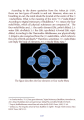
According to the above quotation from the Anban jie 安殘解, there are two types of breath: in and out. However, when one is breathing in-out, the mind should be located at the centre of the mahā-bhūta. W
根据安殘解的引用,有两种呼吸方式:吸气和呼气。然而,当进行呼吸时,心智应位于四大之中。四大是所有物质的组成部分,包括:土、 水、 火和风。根据上座部阿毗达摩,人的身体是由四大组成的,涉及生死循环,有时四大也代表元素的身体。有关四大元素的更深入的信息,请访问dmc.tv。